
A living library
Acuratedarchiveofimagery,videoandstoriesdesignedtosupportplacemakinganddesign.
What defines Place Archive?
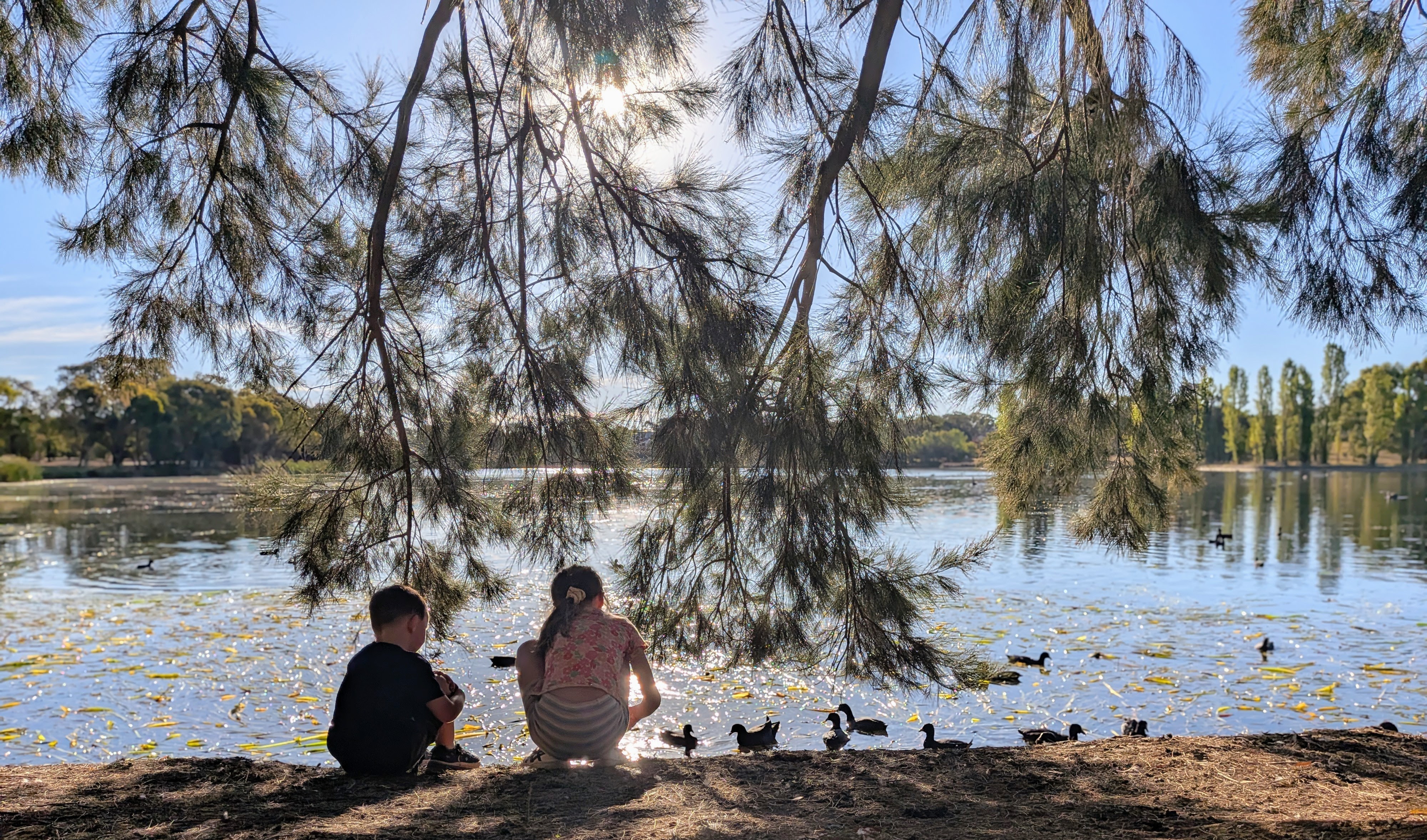
Authenticity
Real places and real people, often captured in everyday use. Never painfully staged or generic.
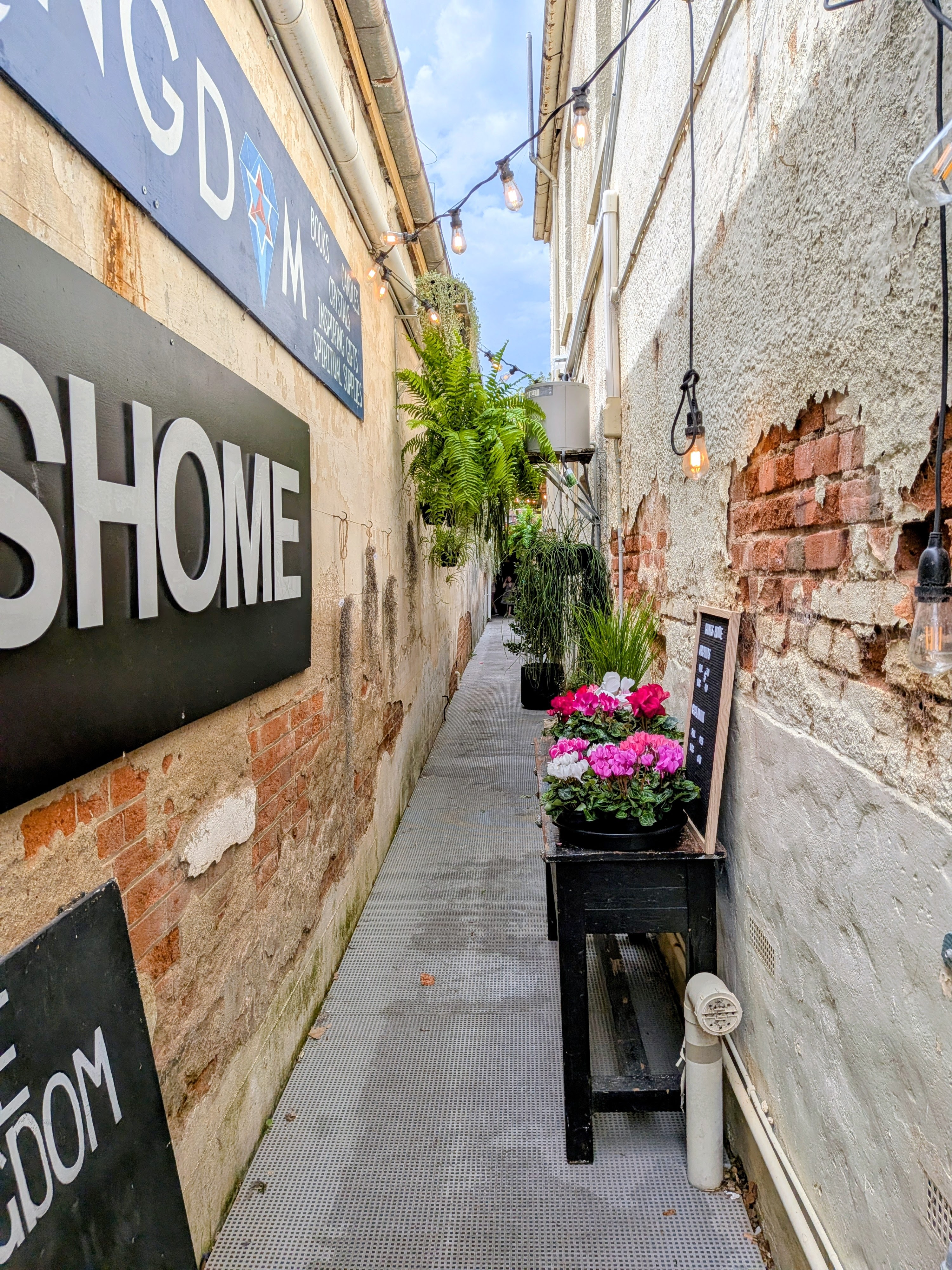
Local resonance
More than iconic sites. Curated to include neighbourhoods, streets and the places that shape local character.
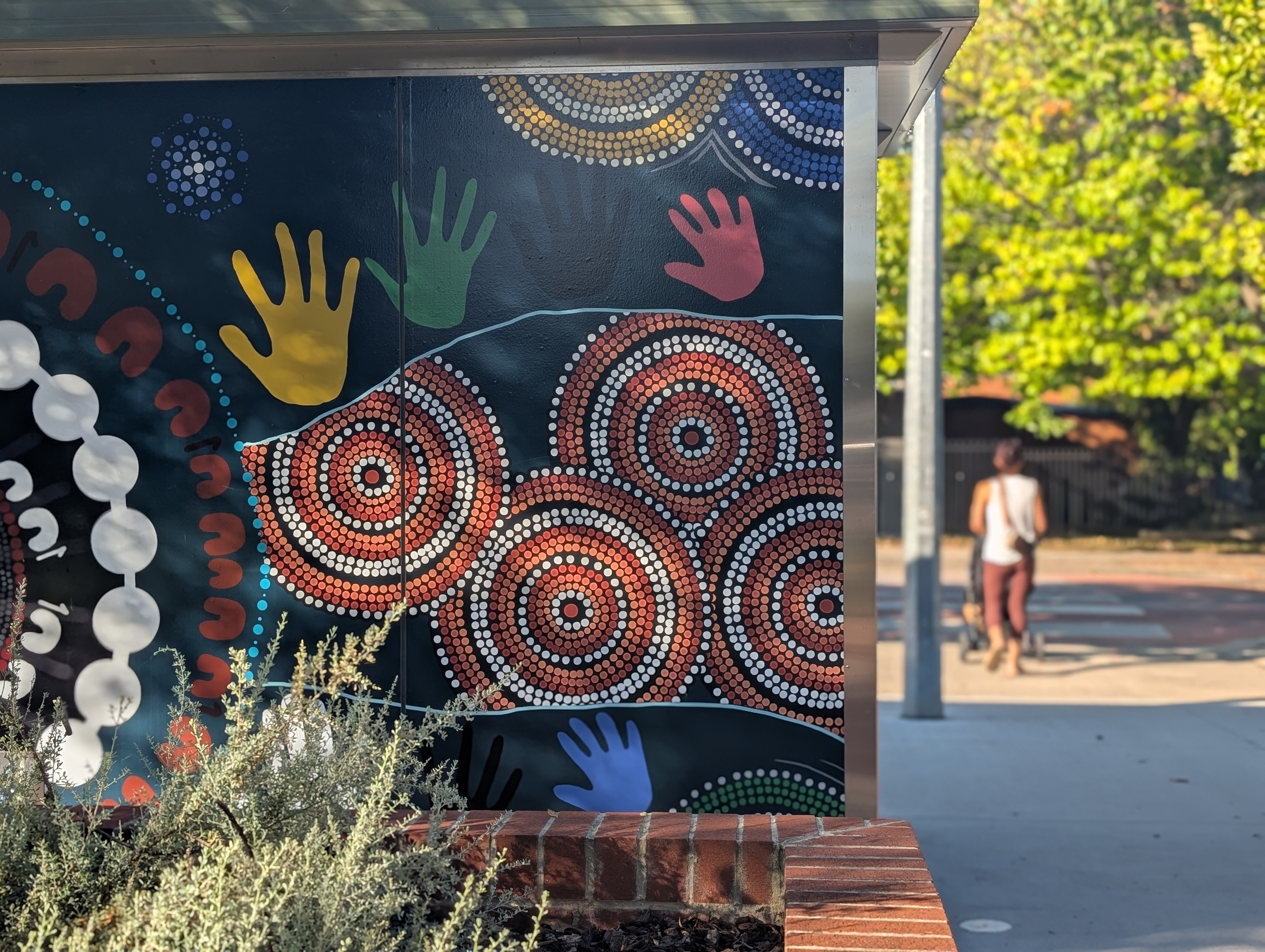
Connection to Country
Designed to recognise and respect Country, with every asset geolocated. Supports culturally resonant design.
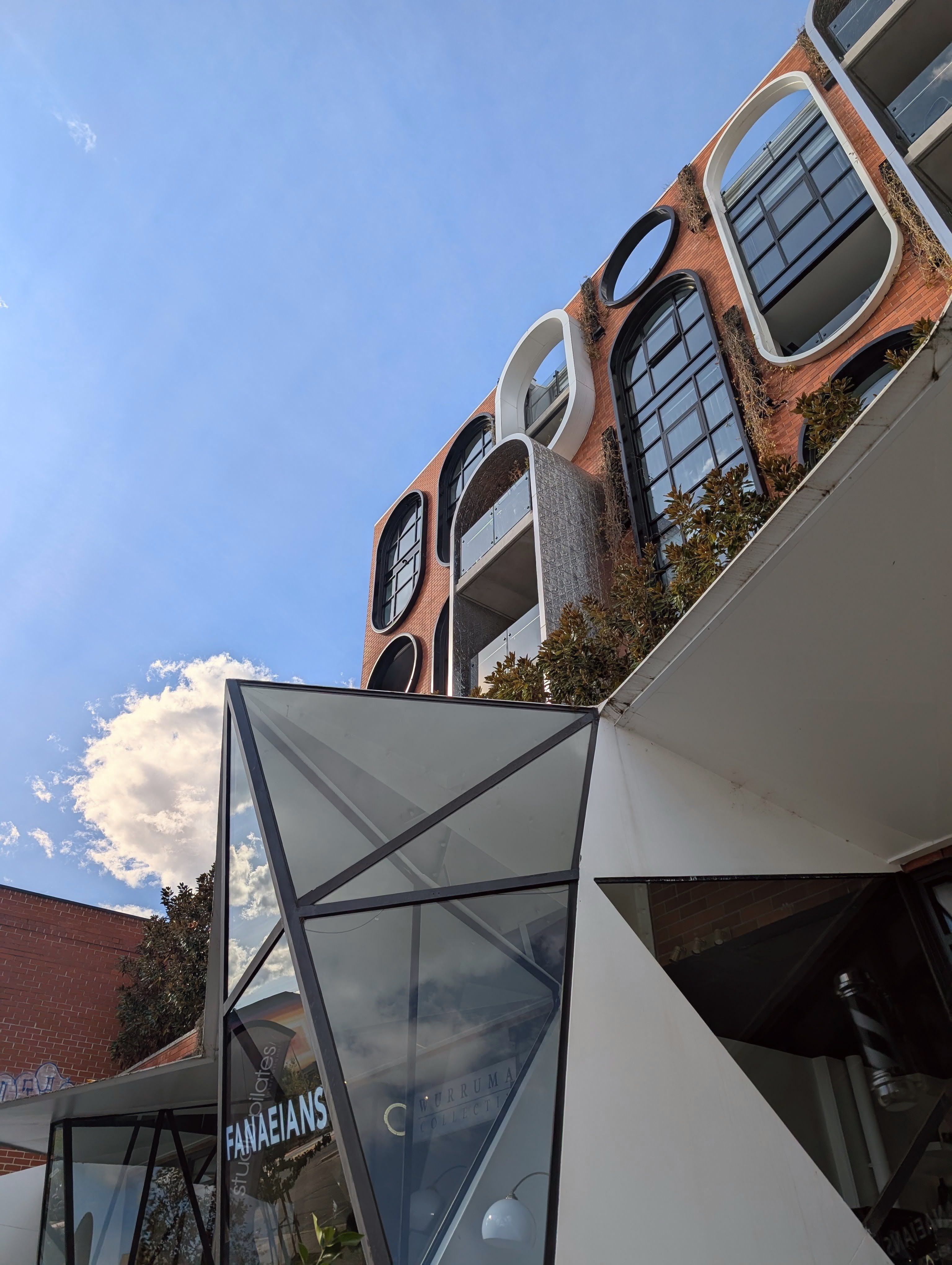
Transparency
Clear and consistent use rights on every asset, with straightforward licensing and automated attribution.
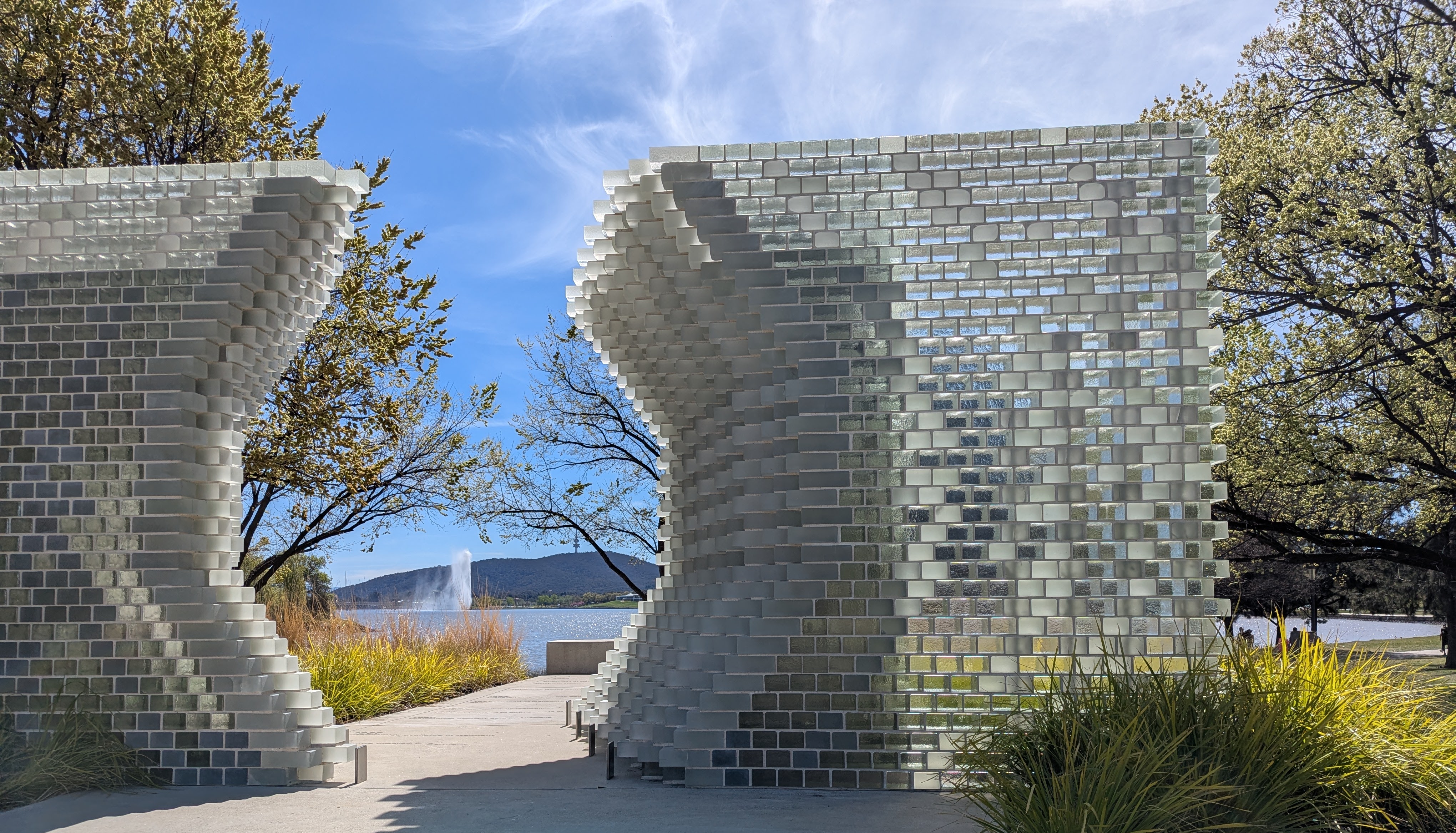
Accessibility
Affordable and convenient access to a range of content curated to support placemaking, communication and marketing.
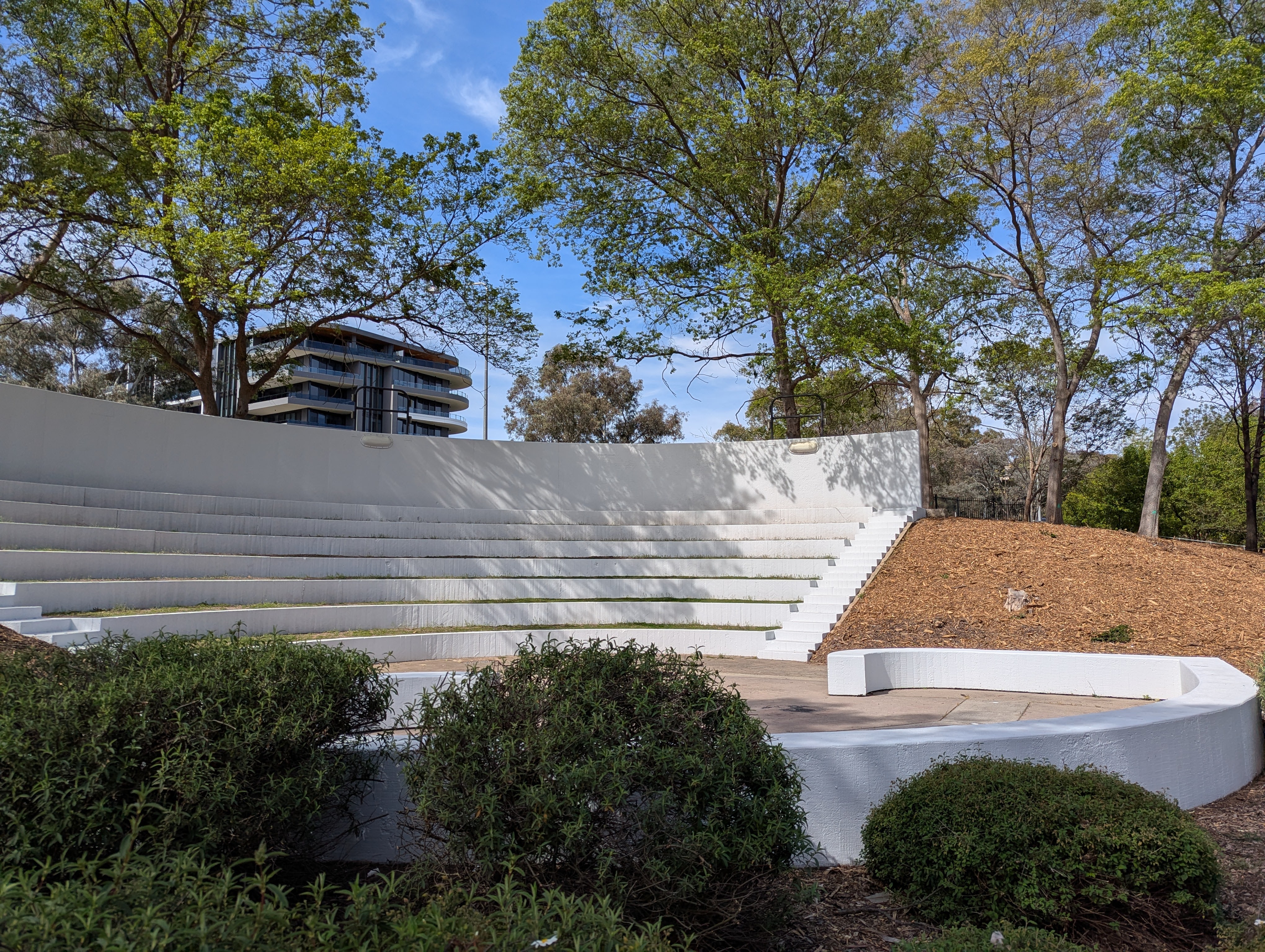
Relevance
Australian imagery selected for its relevance to contemporary Australian planning, design and development.
Register your
interest
Place Archive is currently in early development.
Register your interest to stay up to date, become an early contributor or be part of a small group of users invited to help refine the platform.
Could you be a
contributor?
Place Archive is seeking content from a mix of professional, semi-professional/hobbyist and built environment practitioners.
"Grounded content leads to grounded design, shaped not by trend but by place."
If you have content that matches, register your interest.
Frequently asked questions
Everything you need to know about Place Archive, contributing and licensing.
What is Place Archive?
Place Archive is a web platform hosting a curated, growing library of photography, video and stories tied to real places. It helps people shaping the built environment find more relevant, locally grounded references and design places that feel genuinely local.
Why does it exist?
Access to industry-relevant, locally representative imagery is constrained.
- Stock libraries focus on iconic locations, missing finer-grain, everyday spaces
- Site visits require time and can add significantly to project budgets, particularly in early stages or for remote locations
- Commissioning project-specific photography can be cost-prohibitive
Place Archive is being built to make industry-relevant, place-based content easier to find, understand and use in practice.
What is cultural resonance and connection to Country?
Cultural resonance is when a place reflects local identity, history and character. It means places feel grounded, familiar and specific, not interchangeable.
Connection to Country recognises that land is not just a setting, but a living system that includes people, culture, ecology and history. For Aboriginal and Torres Strait Islander peoples, this connection is ongoing and central to identity, culture and custodianship.
It involves understanding the deeper layers of a place and, where appropriate, engaging with Traditional Custodians and First Nations communities who hold cultural knowledge and responsibility for it.
In practice, this may include:
- Understanding the history and meaning of a place
- Recognising cultural landscapes, not just individual sites
- Drawing on local knowledge to inform design decisions
Referencing culture and First Nations perspectives can also support more inclusive built environments. Not all projects will engage with these ideas in the same way. However, grounding design in real places can support more considered, context-aware and culturally responsive outcomes over time.
What is place-based design?
Place-based design is central to successful places. It takes the time to understand and work with existing conditions, values, community identity and heritage to amplify local character and sense of place. It brings depth and specificity to design, supporting greater distinction between places and a stronger sense of ownership, belonging and connection.
Who is Place Archive for?
Place Archive is designed for people shaping the built environment including planners, architects, urban designers, developers, engagement practitioners and other property professionals.
Do I need to be a built environment professional to use it?
No. While Place Archive is designed with built environment professionals in mind, it may also be useful to others including those in marketing, media and the broader design industry, as well as anyone with an interest in place or photography.
How would someone use it?
- Find relevant precedent and reference imagery
- Build early understanding of a place, including remotely
- Support design thinking and concept development
- Communicate ideas using real, context-appropriate and relatable examples
What kind of content can be contributed?
Photography, video and short written context that help explain the character of a place; how it's used, experienced and understood locally. This may include buildings, streets, public spaces, landscape, materials and the everyday patterns of use that shape a place over time. Place Archive is interested in a range of content, from professionally produced imagery through to more informal, observational material that captures finer-grain detail. Short written context or stories can be included where they add value. The potential to include stories from Traditional Custodians is being explored carefully and respectfully, guided by appropriate processes, permissions and partnerships.
What makes content valuable?
What's useful varies by user and project stage.
- Precedent examples showing how recent development works (or doesn't) support early design thinking and help communicate ideas to communities
- Architectural photography shows built form and outcomes on the ground
- More observational, characterful or unexpected perspectives can influence theming, design direction or support community testing and feedback
- Creative, character-driven imagery can also uplift marketing material and help convey the feeling or experience of a place
Who can contribute?
Place Archive recognises that different contributors bring different strengths. Professional photographers contribute high-quality imagery, industry practitioners understand what content is useful in practice, and hobbyist or creative contributors often capture more characterful, everyday perspectives that help build a broader understanding of a place. Content will be curated to maintain a consistent baseline level of quality and relevance.
How does crediting work? How can content be used?
Place Archive is built to automate attribution, making it convenient and efficient for users and ensuring clear attribution and visibility for contributors and project teams. All content is subject to transparent use rights to support confidence for both contributors and users.
How will the platform work?
Place Archive is being developed as a highly searchable library of place-based content. Users will be able to:
- Search by location or map extent
- Filter using industry-relevant terms and project types
- Access imagery, with optional context or story where it adds value
The platform will support both self-directed browsing and more guided discovery, including AI-assisted curation based on project needs. The aim is to make relevant reference material easier to find, understand and apply across planning, design, engagement and marketing workflows.
What makes it different to stock image libraries?
Place Archive is designed for the built environment, with a focus on authenticity and place.
- Content is georeferenced, allowing it to be searched by location or map extent
- It is structured using the language practitioners use, making it easier to find relevant content
- It focuses on everyday places, not just well-known or highly curated locations
- Content is curated for relevance to planning, design, engagement and development
- Imagery is grounded in real conditions, not staged or generic settings
- Use rights are clear and transparent, reducing risk in project use
By linking content to specific places, Place Archive supports a clearer understanding of local context; how places are used, experienced and understood over time.
Won't AI fill this gap?
AI will play a role in helping people imagine possible planning and development outcomes, particularly in early design stages. However, it cannot establish precedent; real outcomes that have been delivered in comparable contexts and it cannot provide insight into the character of fine-grain, local places. Place Archive focuses on real-world reference and context, which remain essential to informed design, decision-making and communication.
Is it free to use?
Place Archive is being developed as a subscription-based platform, with options for single downloads or download packs also being explored to maintain accessibility and affordability. The platform is shaped by a recognition that accessing high-quality, relevant imagery can be cost-prohibitive, particularly for smaller teams and early-stage work. Ensuring content is both useful and reasonably accessible is a key consideration as the model develops.
Is Place Archive just for Canberra or Australia?
Place Archive is focused on Australia, with an initial rollout for ACT practitioners and broader national coverage to follow. International content may also be included, particularly where it provides useful precedent.
What stage is Place Archive at?
Place Archive is in early development. This page introduces the concept and connects with potential users and contributors, with early input helping to shape the platform.
Why register your interest?
Registering your interest allows you to stay informed as the platform develops and be involved early as a user, contributor, or both. It also helps shape the platform, with early input informing how content is structured, how the platform functions, and how it is used in practice.